Proud Army Sister T-Shirt Design Review
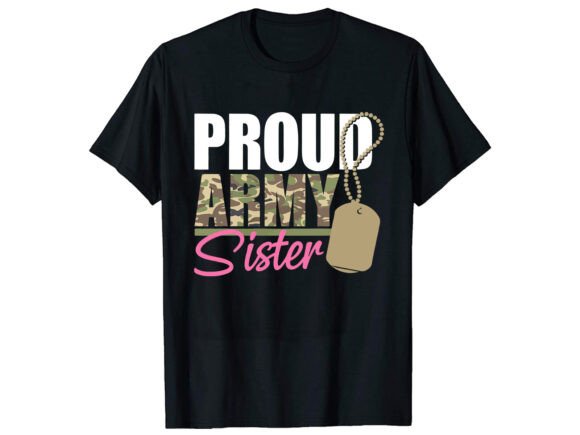
When I first opened the folder for Proud Army Sister T-Shirt Design, my immediate reaction wasn't about the file formats or the resolution. It was about the emotional weight of the piece. As someone who has spent years turning digital vectors into tangible, stitched reality, I know that a design's true value lies in how it translates from a screen to a needle and thread. This isn't just another graphic; it carries a narrative of pride, connection, and military support that demands a thoughtful approach to execution.
The visual personality of this design is straightforward yet powerful. It avoids the cluttered aesthetic often found in generic clip art, opting instead for a layout that feels ready for the hoop. The mood is one of dignified celebration. For an embroidery designer, this distinction matters because it dictates the stitch types we will likely employ. We aren't looking at a design that needs heavy fill stitches to create texture; rather, it relies on clean lines and perhaps some delicate satin work to convey the message with clarity. When you are creating a handmade product, the difference between a design that looks mass-produced and one that feels artisanal comes down to these initial choices.
From Digital File to Finished Product: A Real-World Scenario
To truly understand the potential of Proud Army Sister T-Shirt Design, let me walk you through a project I recently envisioned for a client. Imagine a small boutique owner preparing for a local Veterans Day event. She wants to offer personalized gifts to families of service members, specifically focusing on the siblings who hold the home front together. She reaches out to me to help her bring this specific design to life on a high-quality, heather-grey sweatshirt.
The challenge here is balancing the sentiment with the technical constraints of machine embroidery. If we place this design directly onto a thick fleece without proper consideration, the details could get lost in the pile of the fabric. However, if we select the right stabilizer and choose a crisp white thread against the grey background, the result would be stunning. I can already see the finished product hanging in a window display at a craft fair. The customer doesn't just see a logo; they see a story. They see a sister supporting her brother. That emotional resonance is what drives sales in the custom apparel market and elevates a simple tote bag design into a cherished keepsake.
This scenario highlights why understanding the T-Shirt Designs category is crucial. It isn't just about putting text on a shirt; it is about selecting graphics that enhance the garment's purpose. In this case, the design fits perfectly as a chest pocket placement or a centered back print on a hoodie. The versatility allows it to transition easily from a casual cap for a weekend outing to a more formal embroidered patch for a uniform jacket. The design assets provided need to handle these transitions seamlessly.
Navigating Technical Challenges in Embroidery
While the concept is strong, the devil is always in the details when we move to the machine. Before I commit to running a production batch, I have to consider where Proud Army Sister T-Shirt Design might face resistance. One of the primary concerns is the stitch density. If the original vector contains areas that are too dense, the fabric could pucker, especially on stretchy materials like jersey cotton t-shirts. For a commercial embroidery project, puckering is a dealbreaker that can ruin customer trust and damage your reputation as a reliable vendor.
We also need to be mindful of the smallest elements within the artwork. Tiny lettering or intricate decorative accents can become illegible once stitched, particularly on smaller hoop sizes or curved surfaces like caps. If the design includes fine lines, I would advise testing them on scrap fabric first. Running a test on a dark fabric is equally critical. While the design might look vibrant in a digital mockup, the contrast between the thread colors and the fabric texture can shift dramatically under real lighting conditions. A light gray thread on a black shirt might disappear entirely, whereas a bright gold or red could pop beautifully.
Another factor to weigh is the fabric texture itself. Embroidery on a smooth polyester blend behaves differently than on a rough canvas tote bag or a soft baby onesie. For baby embroidery, we must ensure there are no hard edges or excessive stiffness that could irritate sensitive skin. This means reviewing the stitch type—perhaps switching from a standard satin stitch to a softer running stitch for certain outlines. The goal is to maintain the integrity of the Proud Army Sister T-Shirt Design while adapting it to the tactile needs of the final user.
Elevating Brand Consistency and Product Value
For Etsy sellers and creative entrepreneurs, the presentation of a design is as important as the stitching itself. A well-executed embroidery file signals professionalism. When a buyer receives a personalized gift that features clean, precise stitching with no loose threads or misaligned elements, their perception of the brand shifts. They begin to view the seller not just as a provider of goods, but as a craftsman who cares about quality.
This design has the potential to drive significant engagement in holiday gift markets. Families often look for meaningful ways to honor their loved ones during the holidays. By offering Proud Army Sister T-Shirt Design on items like aprons, kitchen towels, or pillow covers, you tap into a niche that values sentimentality. The design acts as a conversation starter. It invites questions, creates connections, and fosters a sense of community around the shared experience of military family life.
However, to achieve this level of polish, you must adhere to strict preparation protocols. Always confirm the licensing terms before selling finished items. Some digital products allow for personal use only, while others grant commercial rights for a limited number of units. Ignoring these terms can lead to legal issues that far outweigh the profit margin of a single batch of hoodies. Furthermore, inspect the design in black and white mockups to ensure the composition holds up without the aid of color. This step reveals structural weaknesses that color often hides.
Practical Notes for the Modern Designer
As we wrap up this evaluation, remember that every successful embroidery project starts with a solid foundation. Here are a few actionable steps to ensure your use of this design yields the best results:
- Test First: Never run a full production job without a test run on scrap fabric. Check how the thread tension interacts with the specific material you are using.
- Check Stitch Density: Review the file to see if any areas are overly crowded. You may need to adjust the digitizing settings to prevent the fabric from bunching up.
- Verify Hoop Size: Ensure the design dimensions fit comfortably within your standard hoop sizes. If the design is large, plan for multi-hooping techniques to maintain alignment.
- Select the Right Stabilizer: Heavy-duty designs require heavy-duty stabilizers. Using the wrong backing can cause the design to sink into the fabric or distort over time.
- Compare Backgrounds: Test the design on both light and dark fabrics to determine which thread colors offer the best visibility and impact.
In conclusion, Proud Army Sister T-Shirt Design offers a compelling opportunity for those looking to expand their portfolio of custom apparel and handmade products. It strikes a balance between emotional depth and visual simplicity, making it suitable for a wide range of applications from nursery decor to professional merchandise. By approaching the digitization and stitching process with care and attention to detail, you can transform this digital asset into a finished product that honors the spirit of the design and delights your customers. Whether you are a hobbyist maker or a seasoned business owner, this design deserves a spot in your collection of versatile graphics.