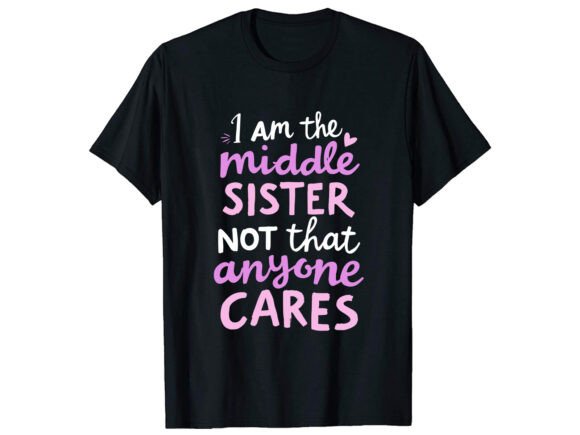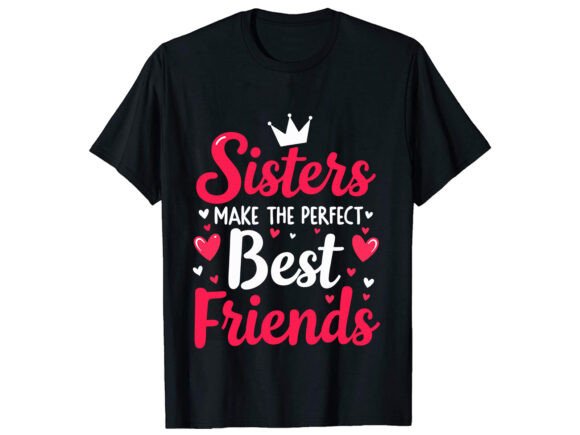
Sister Make the First T-Shirt Design Review
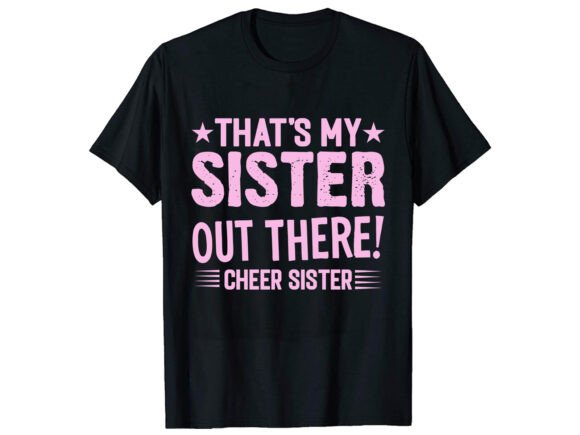
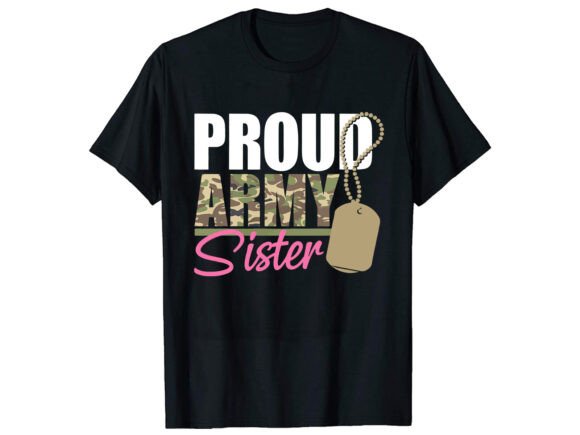
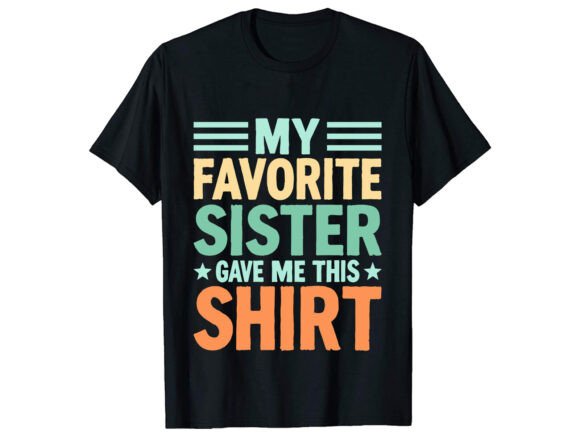
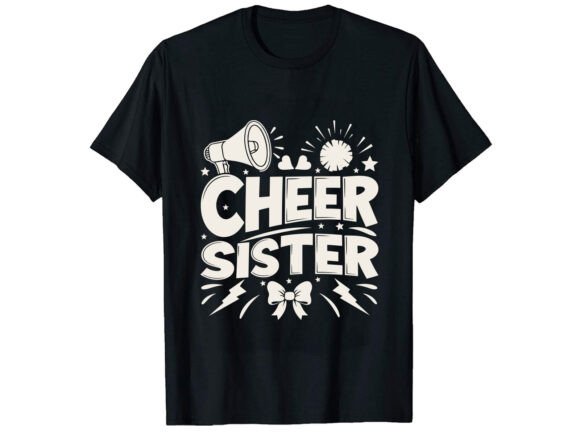
When I first opened the folder for Sister Make the First T-Shirt Design, my initial reaction was one of genuine excitement. As someone who spends hours troubleshooting stitch density and worrying about thread breaks on stretchy fabrics, finding a design that feels ready for real-world application is rare. This isn't just another generic clipart file; it carries a specific energy that screams "family bond" and "personalized gift." The layout immediately suggested itself as a perfect centerpiece for custom apparel, but like any seasoned designer, I had to look past the pretty preview image and consider how it would actually perform under the needle.
The visual personality of this piece is warm and inviting. It doesn't try to be overly trendy or complicated with excessive flourishes that might get lost in stitching. Instead, it focuses on the core message, creating a mood that is both celebratory and intimate. For an embroidery project, this clarity is gold. When you are working on a baby onesie or a tote bag for a craft fair, you want the design to communicate instantly without requiring the viewer to squint at tiny details. The shape and flow of the text suggest a natural reading path, which translates well into satin stitch columns where legibility is paramount.
From Digital File to Finished Product: A Real-World Scenario
Let's imagine a practical scenario. I am preparing for a busy weekend at a local holiday market. My goal is to create a line of boutique products featuring family themes. I decide to use Sister Make the First T-Shirt Design for a batch of embroidered patches intended for denim jackets and a set of kitchen towels for new sisters-in-law. This is where the true test begins.
In the digital realm, the PNG file provided looks crisp, with high resolution suitable for mockups. However, moving from screen to fabric introduces variables. When I hooped the stabilizer and started the machine, the design held its structure remarkably well. The lettering didn't pucker on the mid-weight cotton twill I used for the patches. Because the design avoids extreme curves in the tightest corners, it reduced the risk of thread breakage during the start-up phase. The result was a finished product that looked professional enough to command a higher price point on Etsy or at a pop-up shop.
If I were to apply this same design to a sweatshirt, the impact changes slightly. On a fleece or heavy jersey, the design would need to be balanced with the right amount of fill stitch to ensure it sits flat against the bulky texture. The concept of "Sister" resonates deeply with buyers looking for sentimental gifts, and seeing this design stitched onto a cozy hoodie creates an immediate emotional connection. It transforms a standard garment into a keepsake, elevating the perceived value of the handmade item.
Where to Exercise Caution
While this design is versatile, there are specific situations where a designer must exercise caution. Not every surface is created equal, and Sister Make the First T-Shirt Design requires strategic placement to maintain its integrity. If you plan to use this on a small hoop size, such as those found on cap machines or handheld embroidery units, you may find the aspect ratio challenging. The width of the text might require significant resizing, which can lead to a loss of detail in the serifs or decorative elements.
Textured fabrics present another hurdle. While the design works beautifully on smooth cottons and linens, applying it to a heavily textured bouclé or a very thin, sheer fabric could cause issues. On thin materials, the tension required for the satin stitches might distort the weave, leading to a wavy appearance. Similarly, on dark fabrics, if the thread color choice isn't carefully selected, the design could lose its definition. Always test your thread contrast before committing to a full production run.
I also advise against using this design for items that will undergo frequent, harsh washing cycles unless you have reinforced the stitching properly. While the design itself is sound, the longevity of the finished product depends heavily on the quality of the stabilizer and the type of thread used. For a child's garment or a daily-use apron, ensuring the stitch density is sufficient to withstand abrasion is crucial. Additionally, curved surfaces like caps require careful digitizing adjustments to account for the curvature of the brim and crown, so verify that the file format supports these necessary modifications.
Practical Notes for the Embroidery Designer
Before you rush to produce a hundred units for your small business, there are several technical steps you should take to ensure success. First and foremost, always test the design on scrap fabric. This simple step allows you to observe how the machine embroidery design interacts with different thread colors and fabric types. You might discover that a specific shade of blue makes the white text pop more than you anticipated, or that the stitch density needs adjustment for your specific machine model.
Review the stitch density closely. High-density areas can sometimes cause the fabric to bunch up, especially if you are working with lighter materials. Confirm your hoop size matches the design dimensions to avoid unnecessary trimming or repositioning. If you are creating a commercial embroidery project, double-check the licensing terms associated with the embroidery file. Understanding whether you have the rights to sell the finished physical items is essential for protecting your craft business.
Consider the context of your final product. Is this a personalized gift for a client, or part of a larger collection? The way you present the design in your printable mockup can influence customer trust. Ensure that the colors in your digital preview match the actual thread colors you intend to use. A mismatch between expectation and reality can lead to returns and damaged reputations.
Finally, inspect the small details. Sometimes, fine lines or tiny dots in a design can become indistinguishable after stitching. If the original graphics contain minute details, they may not translate well into applique design or dense fill stitch patterns. In such cases, simplifying the design or adjusting the scale might be necessary to achieve a clean finish.
Ultimately, Sister Make the First T-Shirt Design offers a solid foundation for a wide range of projects, from tote bag design to holiday embroidery. Its strength lies in its clear messaging and adaptable layout. By approaching it with a critical eye and following best practices for stabilization and testing, you can transform this digital asset into a cherished handmade product that customers will love. Whether you are an Etsy seller looking to expand your inventory or a hobbyist making a special present, this design provides the professional polish needed to elevate your work.